
10 Summer Foot Care Tips for Healthy Feet in 2026

June 18, 2026

Summer foot care involves protecting your feet from high temperatures, UV exposure, and increased friction. Key tips include wearing supportive sandals, applying sunscreen to the tops of your feet, staying hydrated to reduce swelling, and maintaining hygiene to prevent fungal infections like athlete's foot during hot weather.

What are the most common summer foot problems?

As the temperatures rise in Reston and Manassas, your feet face a unique set of challenges. The combination of heat, humidity, and increased physical activity can lead to various issues that might not be as prevalent during the cooler months. Understanding these problems is the first step toward effective prevention and maintaining long-term foot health.

One of the most frequent complaints we see during the summer is hyperhidrosis, or excessively sweaty feet. While sweating is a natural cooling mechanism, trapped moisture in shoes creates a breeding ground for bacteria and fungi. This often leads to persistent odors and skin maceration, where the skin becomes soft, white, and more susceptible to damage. Furthermore, the heat can cause the blood vessels in your feet to dilate, leading to edema or significant swelling. This can make your standard footwear feel tight and uncomfortable, potentially causing blisters or aggravating existing conditions like Bunions .

Friction is another major concern. Whether you are walking along the boardwalk or hiking local trails, the combination of sweat and movement can cause painful blisters. Additionally, many people transition to unsupportive footwear like flimsy flip-flops, which can lead to structural strain and acute Heel Pain . The lack of arch support in typical summer shoes often forces the muscles and ligaments in the foot to work harder, leading to fatigue and inflammatory conditions like plantar fasciitis.

Lastly, environmental hazards such as hot pavement, sand, and pool decks can cause thermal burns or introduce infections. Walking barefoot in public areas increases the risk of contracting Athletes Foot or developing warts. Being mindful of where you step and what you wear is crucial for a pain-free summer season.

Summer Sandals

Selecting the Right Summer Footwear

Choosing the right footwear is perhaps the most critical decision you can make for your foot health during the summer months. While it is tempting to reach for the easiest, most breathable option, not all summer shoes are created equal. The ideal summer shoe should provide a balance of ventilation, protection, and structural support.

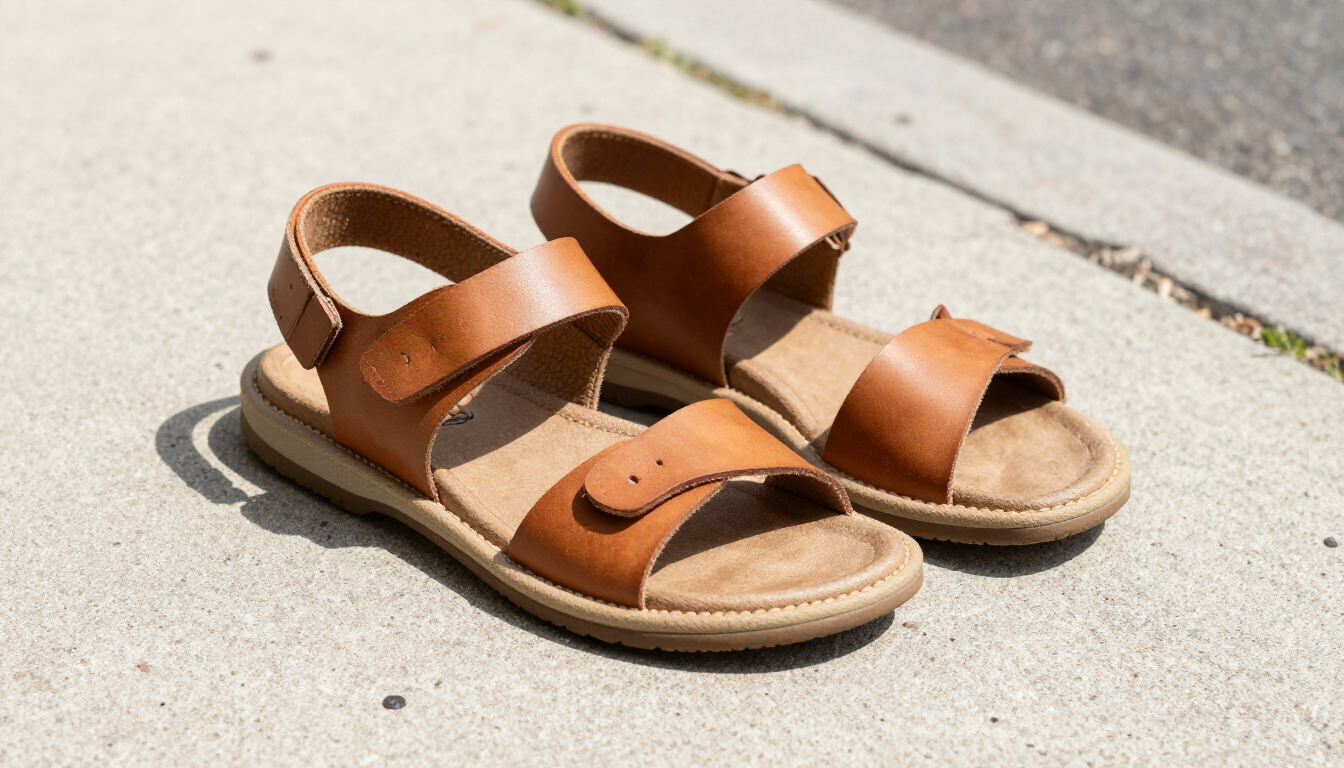
When shopping for summer shoes, look for options that offer a firm heel counter and a rigid sole that does not twist easily. Many high-quality walking sandals now feature built-in arch support and adjustable straps to ensure a secure fit. If you have specific structural needs, you might even consider Custom Orthotics that can be fitted into specialized sandals. This ensures that you aren't sacrificing alignment for the sake of staying cool.

Consider these features when choosing your summer footwear:

  • Adjustable straps to accommodate afternoon swelling
  • Breathable materials like leather or mesh to reduce moisture
  • A contoured footbed that supports the natural arch
  • Thick, cushioned soles to absorb impact on hard surfaces
  • Closed-toe options for hiking or high-activity environments

Avoid the trap of wearing cheap, flat flip-flops for extended periods. These are best reserved for short trips to the pool or the locker room. For any significant walking, your feet require the stability that only a well-constructed shoe can provide. If you notice that your summer shoes are causing discomfort or changing the way you walk, it may be time to consult our team about our comprehensive podiatric Services .

How can you prevent athlete's foot during the summer?

Fungal infections thrive in warm, damp environments, making the summer months the peak season for Athletes Foot and Fungus Toenails . Preventing these conditions requires a proactive approach to hygiene and environmental awareness. It is much easier to prevent a fungal infection than it is to treat one once it has taken hold.

The most important rule is to keep your feet as dry as possible. After showering or swimming, take the time to dry thoroughly between your toes, as this is where moisture is most likely to be trapped. If you struggle with excessively sweaty feet, consider using an antifungal powder or a moisture-wicking sock made from synthetic fibers or merino wool rather than pure cotton, which tends to hold onto wetness.

In public spaces like community pools, gym showers, and hotel bathrooms, never go barefoot. These high-traffic, moist areas are prime locations for the transmission of fungal spores. Wearing waterproof sandals or water shoes provides a necessary barrier between your skin and potential pathogens. Additionally, try to rotate your shoes daily. It takes about 24 hours for a shoe to completely dry out after use; giving them this "rest" period helps prevent the buildup of bacteria and fungi inside the footwear.

Key prevention strategies include:

  • Washing feet daily with soap and water
  • Changing socks at least once a day if they become damp
  • Using UV shoe sanitizers to kill lingering spores
  • Trimming toenails straight across to avoid injury
  • Sanitizing nail tools used at home or at the salon

If you do notice signs of infection, such as itching, peeling skin, or discolored nails, early intervention is key. Modern treatments like the Aspen Nail Laser for Toe Fungus can effectively address these issues without the need for systemic medications.

Sun Protection

Essential Sun Protection for Your Feet

Many people are diligent about applying sunscreen to their face, shoulders, and legs, but the feet are often forgotten. However, the skin on the tops of your feet is thin and highly susceptible to sunburn. A severe burn on the feet can be incredibly painful, making it difficult to wear shoes or walk comfortably, and it significantly increases the risk of skin cancer in an area where it is often caught late.

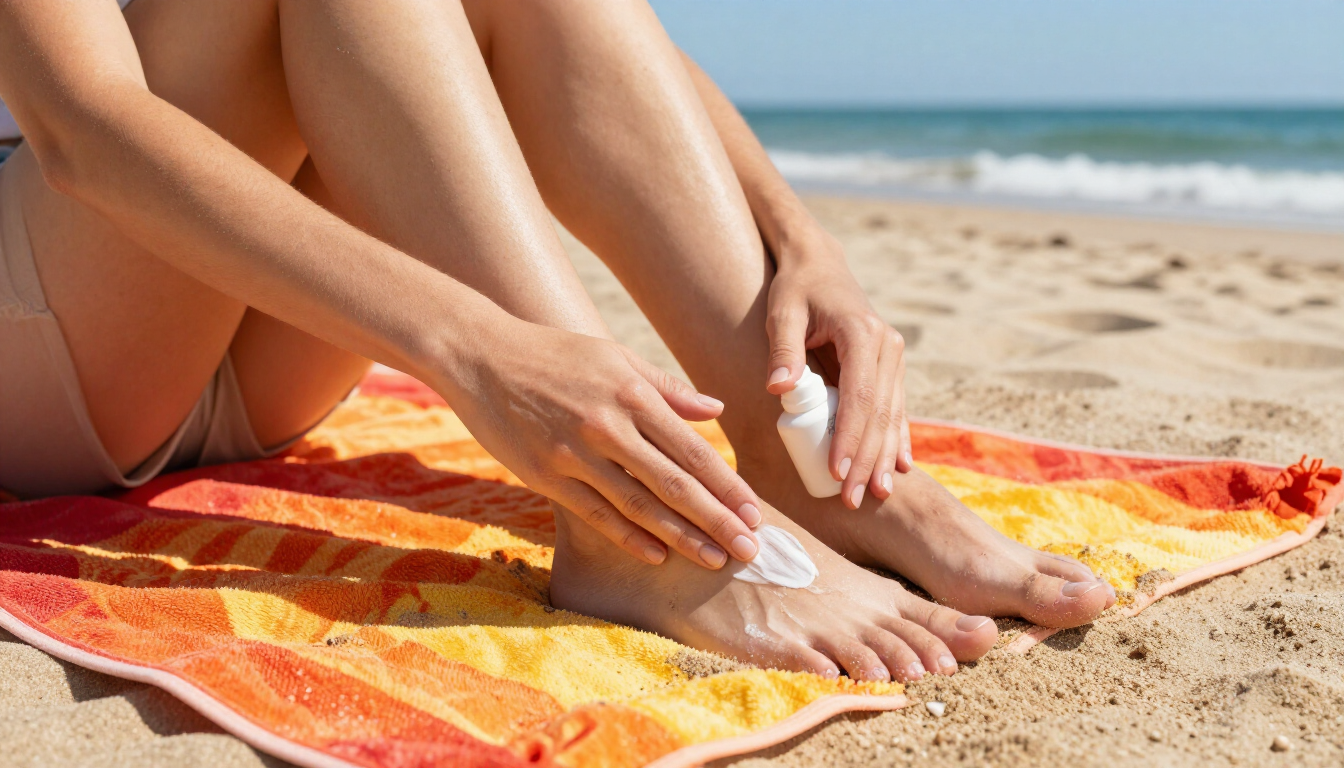
When applying sunscreen, ensure you cover the entire dorsal (top) surface of the foot, the ankles, and even the areas between the toes if you are wearing open sandals. Use a broad-spectrum sunscreen with an SPF of at least 30 and reapply every two hours, or more frequently if you are swimming or sweating. Don't forget to protect your scars or areas of previous injury, as these can be even more sensitive to UV damage.

Beyond sunscreen, consider the heat of the surfaces you are walking on. Sand and pavement can reach temperatures that cause second-degree burns in a matter of seconds. Always wear protective footwear when transitioning from the water to the parking lot or across hot beach sand. If you have children, be especially careful with their sensitive skin, as a single bad burn in childhood can have long-term health implications.

How does hydration impact your foot health?

Staying hydrated is about more than just quenching your thirst; it plays a vital role in maintaining the health of your lower extremities. During the summer, your body loses fluids rapidly through sweat. When you are dehydrated, your body begins to retain salt, which can lead to significant swelling in the feet and ankles, a condition known as peripheral edema.

Proper hydration helps maintain healthy circulation, ensuring that nutrient-rich blood can reach the small vessels in your feet. It also helps regulate your internal body temperature, reducing the overall stress on your cardiovascular system. If you notice that your feet feel heavy, tight, or "puffy" by the end of the day, it is often a sign that you need to increase your water intake. Elevating your feet above the level of your heart for 15-20 minutes in the evening can also help encourage fluid drainage and reduce discomfort.

To keep swelling at bay, follow these tips:

  • Drink at least 8-10 glasses of water daily
  • Limit intake of high-sodium foods and caffeine
  • Engage in gentle walking to promote circulation
  • Wear compression socks during long travel days
  • Incorporate hydrating foods like cucumber and watermelon

Special Considerations for Diabetic Summer Care

For patients with diabetes, summer foot care is not just a matter of comfort—it is a matter of safety. Diabetes can cause peripheral neuropathy, which reduces the ability to feel pain, heat, or cold in the feet. This means a diabetic patient could walk on hot pavement or develop a blister without even realizing it, leading to serious complications like ulcers or infections.

If you have diabetes, you must be extremely vigilant during the hot months. Never walk barefoot, even indoors or on carpeted areas near the pool. Perform a daily foot inspection to look for any signs of redness, swelling, cuts, or blisters. Use a mirror to see the bottoms of your feet or ask a family member for assistance. High heat can also cause skin to dry and crack, especially around the heels, so using a high-quality moisturizer is essential—just be sure to avoid the areas between the toes where moisture can cause fungal growth.

Effective Diabetic Foot Care in the summer includes:

  • Checking water temperature with your hand before stepping in
  • Wearing well-fitted, protective shoes at all times
  • Seeking immediate care for even minor cuts or scrapes
  • Staying in the shade to prevent overheating
  • Monitoring blood sugar levels closely as heat can affect insulin absorption

When should you seek professional podiatric care?

While many summer foot issues can be managed with home care and preventive measures, certain symptoms require professional evaluation. Ignoring foot pain can lead to compensatory injuries, where you change your gait to avoid pain, ultimately causing issues in your knees, hips, or lower back. Our clinics in Reston and Manassas are equipped to handle everything from minor skin irritations to complex structural problems.

You should schedule an appointment if you experience:

  • Persistent pain that does not improve with rest
  • Signs of infection like redness, warmth, or drainage
  • Numbness or tingling in the feet or toes
  • A sudden change in the appearance of a mole or skin lesion
  • Difficult-to-treat fungal infections or ingrown nails

Early diagnosis is the key to a quick recovery. Whether you are dealing with acute Heel Pain from new summer activities or need advice on the best footwear for your specific foot type, our board-certified podiatrists are here to help. We offer a range of advanced diagnostic techniques to pinpoint the source of your discomfort and get you back on your feet as quickly as possible.

Summary of Summer Foot Care Tips

To ensure your feet remain healthy and pain-free this summer, focus on protection, hygiene, and hydration. By choosing supportive footwear, applying sunscreen, and staying vigilant about moisture control, you can prevent the most common seasonal ailments. Remember that your feet are the foundation of your active lifestyle, and giving them a little extra attention during the heat will pay off in long-term comfort and mobility.

Key Takeaways for Your Summer Health:

  • Prioritize Support: Move beyond flimsy flip-flops and choose sandals with arch support.
  • Stay Dry: Prevent Athletes Foot by drying between toes and rotating shoes.
  • Protect the Skin: Apply SPF 30+ to the tops of your feet and never walk barefoot on hot surfaces.
  • Monitor Daily: Especially for those needing Diabetic Foot Care , daily inspections are vital.
  • Act Quickly: If you experience persistent pain or infection, Contact our specialists immediately.

For more personalized advice or to address a specific foot concern, please reach out to our team at our Reston or Manassas locations. We are dedicated to providing the comprehensive care you need to enjoy every step of your summer.

By VIV Builder April 9, 2026
Stay active and pain-free this Foot Health Awareness Month. Learn about heel pain, orthotics, diabetic foot care, and sports injury treatment options.
By VIV Builder April 1, 2026
Achilles tendonitis can develop gradually, causing heel pain and stiffness that worsens over time. Learn the warning signs and how a podiatrist can help you get back on your feet.

 Northern Virginia Magazine Top Doctors 2026
By VIV Builder March 5, 2026
We are proud to announce the Dr. Shaun Hafner & Dr. Steven Gordon were named the Top Doctors of 2026 by Northern Virginia Magazine!
By VIV Builder March 5, 2026
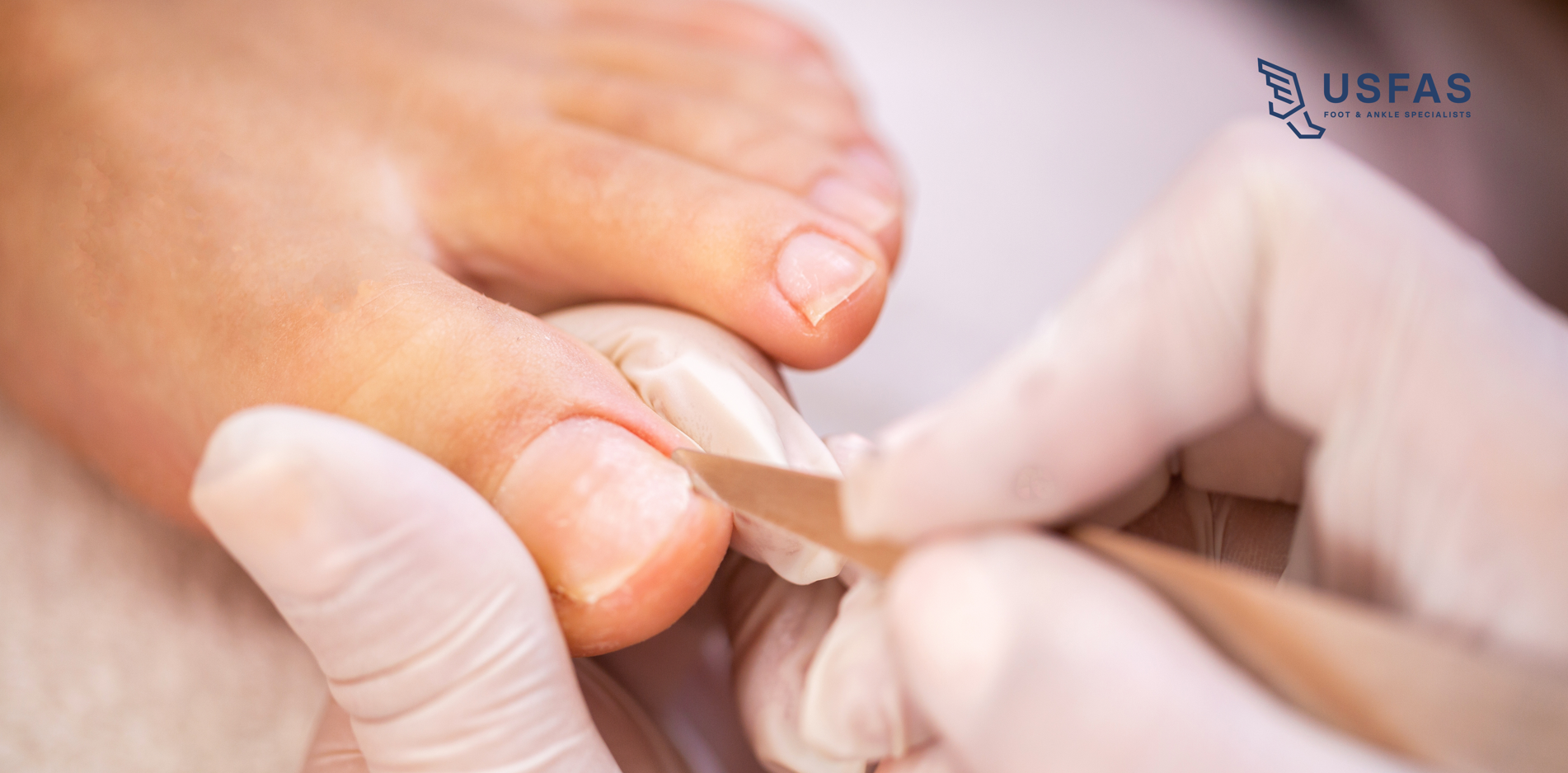
Ingrown toenails are a common foot condition that can start as a minor irritation and quickly become painful. Learn more about how we can help with ingrown toenails.
By VIV Builder February 19, 2026
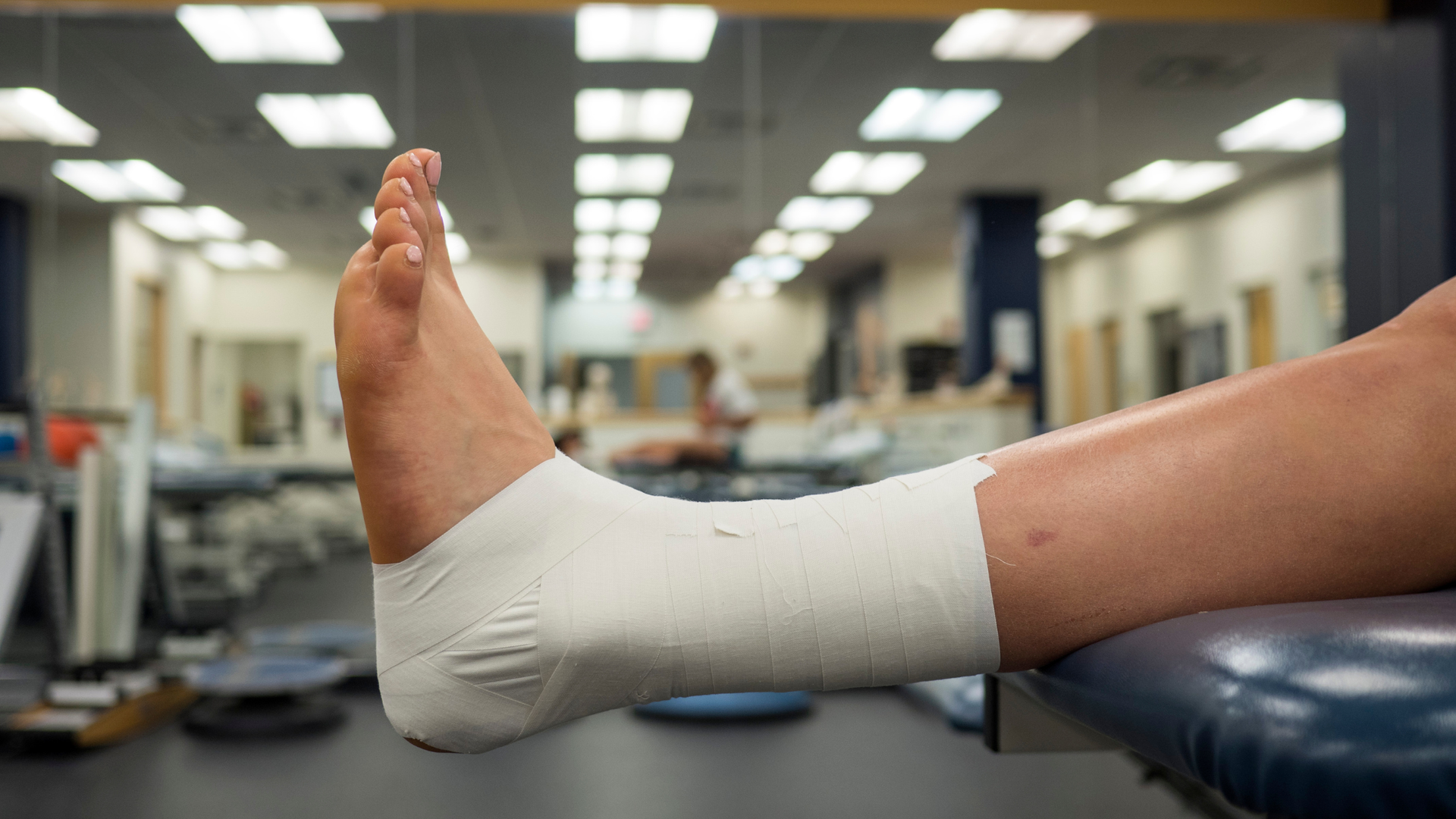
Ankle sprains are one of the most common foot and ankle injuries, yet they're often brushed off as no big deal. The truth is, even a mild sprain deserves proper care.
By VIV Builder February 5, 2026
Show Your Feet Some Love This February
By VIV Builder January 23, 2026
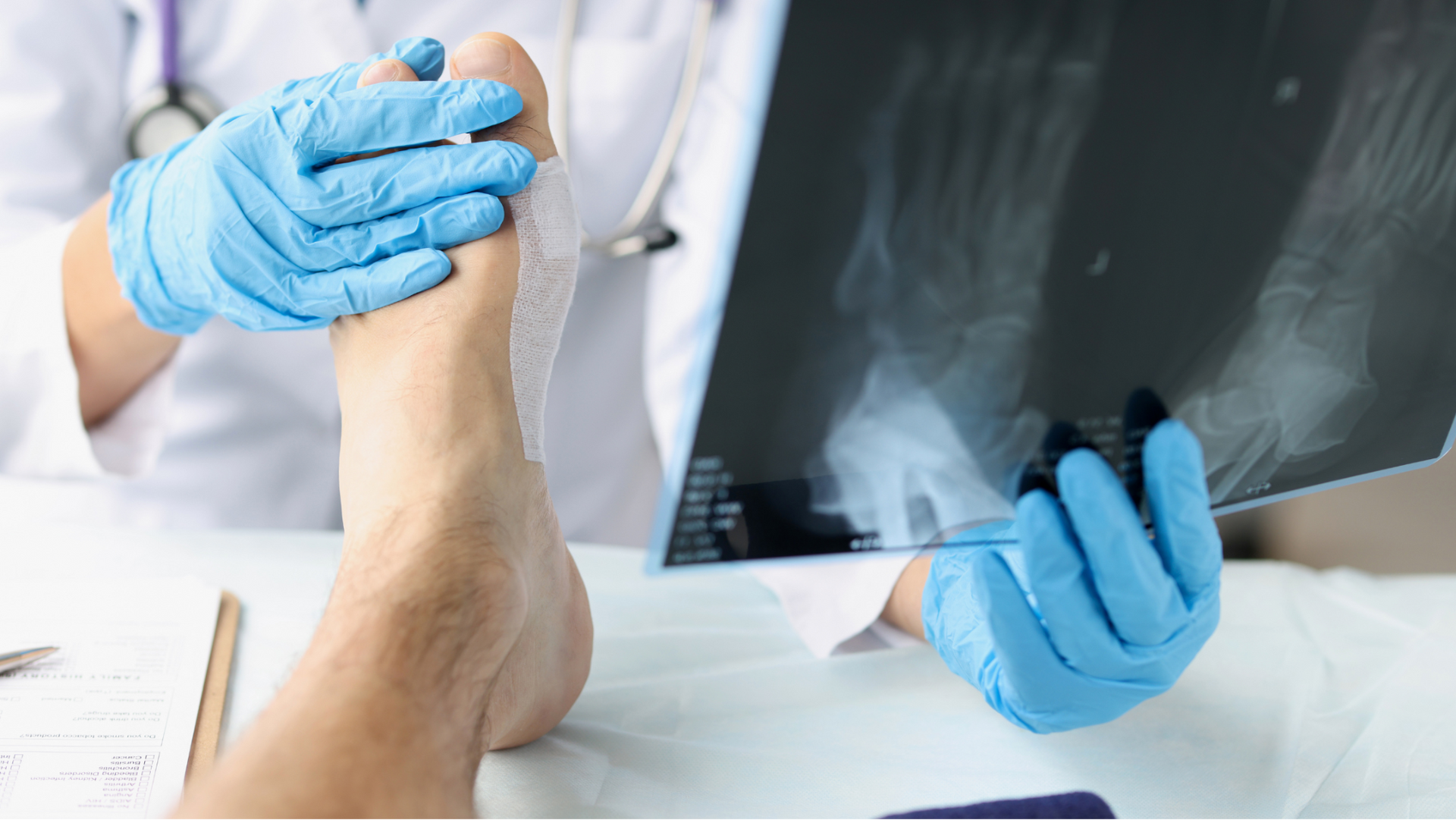
Understanding Podiatry Many people experience foot or ankle pain at some point, but they are not always sure where to turn for care. A podiatrist is a medical doctor who specializes in diagnosing and treating conditions of the foot and ankle. Their goal is to help patients move comfortably, stay active, and avoid pain that interferes with daily life. Podiatrists receive specialized medical training focused entirely on the feet and ankles. Because these areas support the entire body, even minor issues can have a big impact if left untreated. What Conditions Do Podiatrists Treat? Podiatrists treat a wide range of foot and ankle conditions for patients of all ages. From common concerns like heel pain and ingrown toenails to more complex issues such as sports injuries and diabetic foot conditions, podiatrists are trained to handle both routine and advanced care. They also address structural problems, skin and nail conditions, and injuries that affect mobility. By identifying the root cause of foot or ankle pain, podiatrists help patients find long-term relief rather than temporary fixes. When Should You See a Podiatrist? Foot pain is not something you have to live with. If you notice ongoing discomfort, changes in how you walk, or issues with your toenails or skin, it may be time to see a podiatrist. Early care can help prevent small problems from becoming more serious and can reduce recovery time. Patients with diabetes should also see a podiatrist regularly to help prevent complications and maintain foot health. What to Expect During Your Visit During a podiatry appointment, your provider will take time to understand your symptoms and lifestyle. They will examine your feet and ankles and may recommend imaging or other tests if needed. Based on their findings, they will create a personalized treatment plan tailored to your needs. Many podiatry treatments can be done in the office, allowing patients to return to normal activities quickly. Why Foot Health Matters Your feet play a major role in your overall health. Ongoing foot or ankle pain can lead to posture changes and strain on the knees, hips, and lower back. Proper foot care helps keep your entire body moving the way it should. Seeing a podiatrist is an important step in maintaining mobility and preventing future problems. Take the Next Step Toward Better Foot Health If foot or ankle pain is affecting your daily life, a podiatrist can help. With the right care and treatment, many conditions can be managed or resolved. Scheduling an appointment with a podiatrist is a simple step that can make a lasting difference in your comfort and mobility.
By VIV Builder January 9, 2026
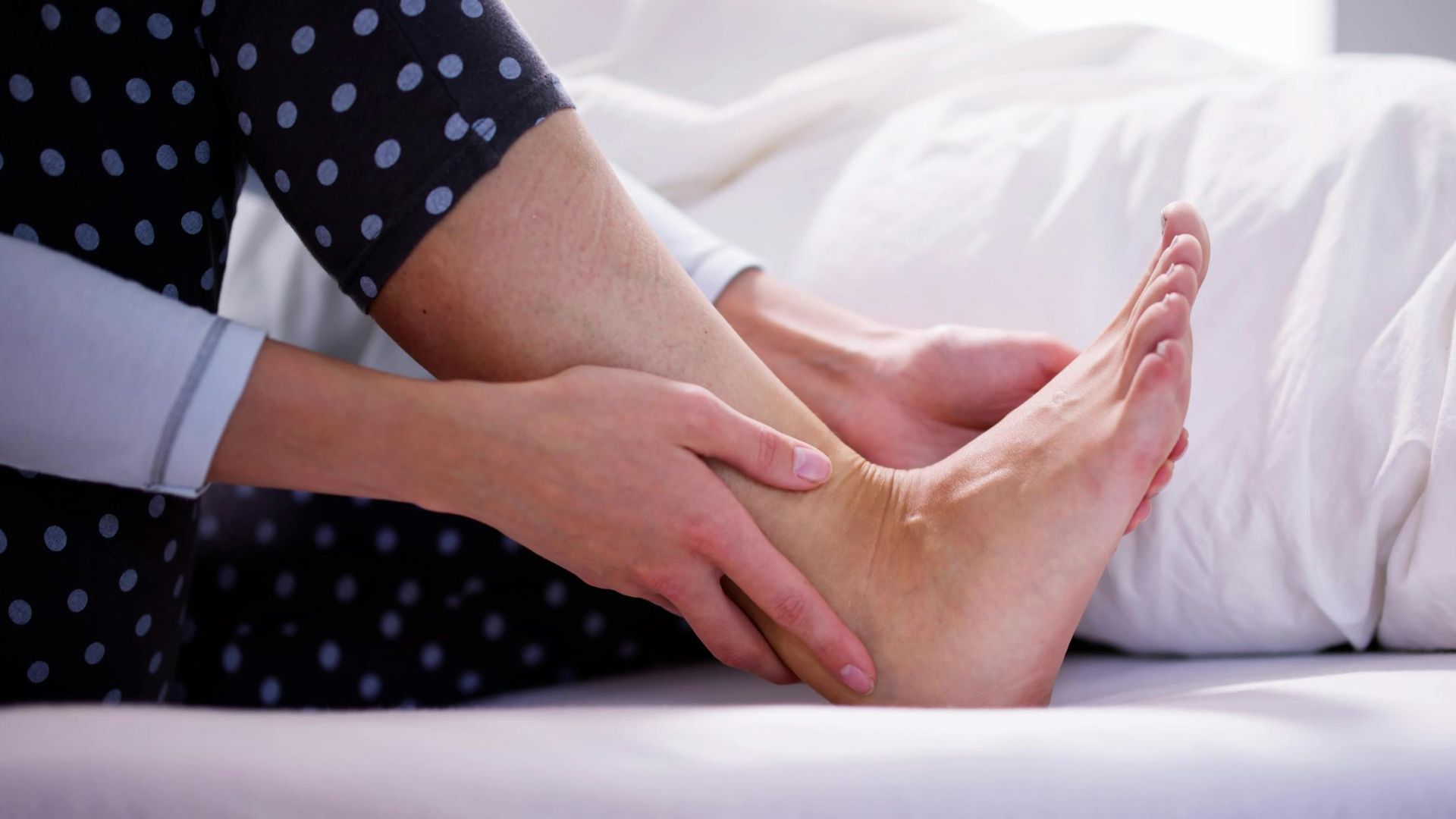
A New Year Shouldn’t Start With Pain The beginning of a new year often comes with fresh goals—being more active, feeling healthier, and getting back to routines you enjoy. But heel pain can quickly get in the way. When every step hurts, even small tasks can feel frustrating. Heel pain is one of the most common foot issues treated by podiatrists. Many people try to ignore it or hope it will go away on its own, but without proper care, heel pain often lingers or gets worse over time. Why Heel Pain Happens Heel pain can develop for several reasons, and it often builds gradually. One of the most common causes is plantar fasciitis, which occurs when the tissue supporting the arch of the foot becomes inflamed. Other causes may include strain on the Achilles tendon, wearing shoes without proper support, or spending long hours on your feet. Pain is often most noticeable in the morning or after long periods of rest. While it may ease as you move around, it tends to return and can worsen without treatment. Common Conditions Linked to Heel Pain While heel pain feels similar for many people, the underlying cause can vary. Some of the most common conditions include: Plantar fasciitis Heel spurs Achilles tendon irritation Overuse or repetitive strain injuries Identifying the exact cause is key to getting the right treatment and long-term relief. Why Early Treatment Matters Ignoring heel pain can lead to changes in the way you walk. Over time, this can place added stress on your ankles, knees, hips, and lower back. What starts as foot pain can turn into discomfort throughout your body. Seeing a podiatrist early can help prevent these issues and reduce recovery time. Most heel pain can be treated without surgery when addressed promptly. How a Podiatrist Can Help A podiatrist specializes in foot and ankle care and can create a treatment plan tailored to your needs. Treatment may include stretching exercises, custom orthotics, footwear guidance, or other therapies designed to reduce pain and inflammation. With the right approach, many patients begin to feel relief and regain mobility. Step Into the New Year With Confidence Heel pain does not have to define your year. With proper care and treatment, you can move more comfortably and get back to doing the things you enjoy. If heel pain is holding you back, schedule a visit with a podiatrist and take the first step toward a healthier, pain-free new year.

December 18, 2025
A new year is the perfect time to focus on your health—starting from the ground up. As we head into 2026, taking care of your feet can help you stay active, comfortable, and ready for everything the year brings.  Why Foot Health Matters in the New Year Healthy feet support your overall mobility and daily comfort. Common foot problems can make walking, standing, and even simple activities difficult. Early care can prevent small issues from becoming bigger ones. You may benefit from a podiatry visit if you have: Heel or arch pain Flat feet or high arches Foot or ankle injuries Toenail problems Corns, calluses, or skin issues Pain that keeps coming back How We Help You Start the Year Strong Our podiatry team provides: Comprehensive Foot Exams to identify pain or concerns Treatment Plans for chronic or sudden foot issues Custom Orthotics for support and alignment Footwear Guidance to reduce discomfort and improve stability Preventive Care to keep your feet healthy long-term Start 2026 With Healthy, Pain-Free Feet Make this the year you put your foot health first. Schedule an appointment today to address any concerns and step into 2026 with confidence, comfort, and support.
December 4, 2025
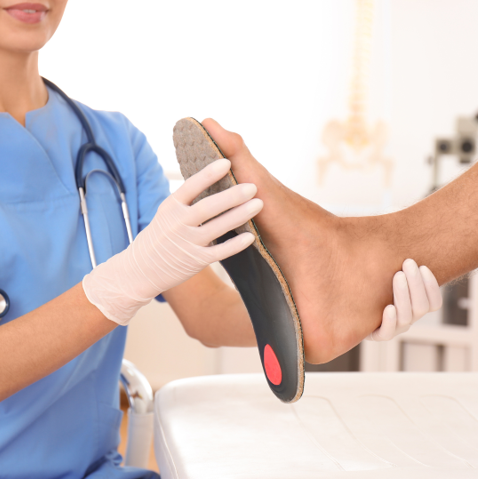
December is the season of giving, and there’s no better gift than comfort. If you’re looking for something meaningful, helpful, and long-lasting, custom orthotics are a great choice. They support the feet, improve balance, and make everyday activities easier and more comfortable. Why Orthotics Make a Great Gift Many people struggle with foot pain, tired feet, or discomfort when walking or standing. Custom orthotics can help by: Reducing foot, heel, and arch pain Providing better alignment and support Improving comfort during work, exercise, and daily routines Helping prevent future foot problems They are a thoughtful gift for anyone—especially those who stay on their feet all day, enjoy being active, or dealing with ongoing foot issues. How Our Team Can Help Our podiatry team offers: Custom Orthotic Fittings tailored to your foot shape and needs Foot Evaluations to identify pain points and pressure areas Supportive Shoe Recommendations for everyday comfort Ongoing Care for long-term foot health Give Comfort This Christmas If you’re searching for a gift that truly helps someone feel better, custom orthotics are a smart and meaningful choice. Contact our office to schedule an appointment or learn more about how orthotics can bring comfort all year long.

Show More